

Motor
Why Choose Us
Our History
The company founded in 2009
Our Certificate
SGS Audited Supplier
Product Application
Industry Agriculture, Petrochemicals, fire system, Electricity, municipal, etc...
Production Market
Southeast Asia, Middle East, Russia, South America, Africa
An electric motor is a device that turns electric current flow into mechanical rotation of a spindle, or rotor. The rotation is turned into linear motion in many applications.
-
 Premium Efficiency Three Phase Induction Electric MotorThree phase induction electric motors which are single speed, totally enclosed, self-ventilated,Add to Inquiry
 -
 YE3 Series 3-phase Induction MotorYE3 series 3-phase Induction Motor is completely new design of low voltage cast iron housing motor,Add to Inquiry
 -
 YE4 Series 3-phase Induction MotorYE4 Series 3-phase Induction Motor is completely new design of low voltage cast iron housing motor.Add to Inquiry
 -
 YE3 High Power 3-Phase Induction MotorsThis series high power motors have the advantages of high efficiency, energy saving, reliableAdd to Inquiry
 -
 Variable Frequency Variable Speed MotorCenter Height of Frame: H80~H400mm. Rated Power: 0.55kW~560kW. Rated Voltage,frequency: 380V,50Hz.Add to Inquiry
 -
 YKK Series High Voltage Three Phase Induction Electric MotorYKK series electric motors are three phase induction motors which are single speed, continuousAdd to Inquiry
 -
 High Efficiency Flameproof 3-Phase Induction MotorsYBX3 series high efficiency and high voltage flameproof 3-phase induction motors is a new productAdd to Inquiry
 -
 YBX3 Series High Efficiency Flameproof 3-Phase Induction ...YBX3 series high efficiency flameproof 3-phase asynchronous motor is a new product designed andAdd to Inquiry
- Tel: +8613953308355
 Whatsapp: +8613953308355
 Wechat: +8613953308355
- Email: boshanpumpzp@163.com
- Add: Room 817, Building 5, No.111 Liuquan Road, High-Tech Zone, Zibo, Shandong, China
What Are the Advantages of Motor?
High efficiency
They are highly efficient, converting a high percentage of electrical energy into mechanical energy. This means that they can operate with less wasted energy compared to air motors, resulting in lower operating costs and reduced environmental impact.
Low maintenance
Electrical motors have fewer moving parts compared to other types of motors, which means they require less maintenance and have a longer lifespan.
Instant torque
They can provide instant and consistent torque, which is especially important in applications where acceleration or deceleration is required.
Quiet operation
Electric motors operate quietly and do not produce exhaust fumes or emissions, making them ideal for use in indoor or enclosed spaces.
Variable speed control
They can be easily controlled to provide variable speeds, allowing for greater precision and flexibility in many applications.
Easy integration
Electric motors can be easily integrated with electronic control systems, making them ideal for use in automated and robotic systems.
Induction Motor
The machine which never runs at synchronous speed is called the induction or asynchronous motor. This motor uses electromagnetic induction phenomenon for transforming the electric power into mechanical power. According to the construction of rotor, there are two types of an induction motor. Namely squirrel cage induction motor and phase wound induction motor.
Linear Motor
The motor which produces the linear force instead of the rotational force is known as a linear motor. This motor has unrolled rotor and stator. Such type of motor is used on sliding doors and in actuators.
Synchronous Motor
The machine that changes the alternating current into mechanical power at the desired frequency is known as the synchronous motor. In the synchronous motor, the speed of the motor is synchronised with the supply current frequency.
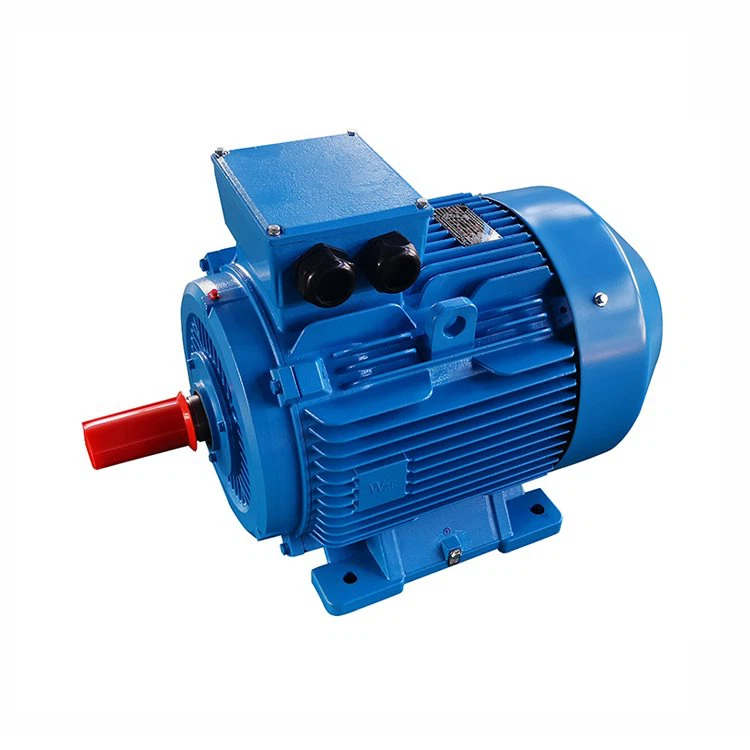
Understand the technical specifications and limitations of the motor. Check parameters such as rated voltage, frequency, power, current and use at the specified values.
Ensure that the motor is properly mounted. Use a suitable base to absorb vibrations.
Ensure that the motor is suitable for the working environment. Consider factors such as temperature, humidity and dust and take protective measures if necessary.
Maintain the motor regularly. Follow routine maintenance procedures such as lubrication, cleaning, and bearing checks.
Protect the motor from high voltage, overcurrent or overload. Ensure safety by using guards, fuses and circuit breakers.
Manage motor run times and breaks appropriately. Rest the motor to reduce the risk of overheating and to avoid overloading.
Monitor any anomalies (vibration, noise, overheating) that may occur during use and seek expert assistance if necessary.
Be careful when starting and stopping the engine: Use the control buttons correctly and accelerate or decelerate slowly to avoid sudden stops or starts of the engine.
Motor Operating Principle
Magnetic field generation
Electric motors use an electric current to generate a magnetic field. This current is usually generated by conductive wire arranged in a series of coils or windings. These coils are referred to as the stator. The stator is used to create a constant magnetic field.
01
The rotor's magnetic field
The rotor is usually made of magnetizable materials or has magnets attached to it. The magnetic field of the stator interacts with the magnetic field of the rotor.
02
Magnetic field interaction
The interaction between the magnetic field of the stator and the magnetic field of the rotor creates a kind of rotational motion. This interaction is based on electromagnetic principles. When the direction or intensity of the magnetic field in the stator changes, the direction or intensity of the magnetic field on the rotor changes, causing it to rotate.
03
Continuous rotation
Electric motors change the magnetic field of the stator at regular intervals, causing the rotor to rotate continuously. This rotation converts electrical energy into mechanical energy.
04
Power supply
The energy supplied to electric motors is converted into mechanical work, expressed as the rotation of the rotor. This mechanical work is transmitted to the outside world through the output shaft of the motor and can be used in various applications.
05
Depending on their use and the type of current running through an electric motor, each has different components to make the motor function. Here are some of the key parts of a motor:
Rotor – The rotor is a coil mounted on an axle and it provides the rotational mechanical energy. It spins at high speed and can include conductors that carry current and interact with the magnetic field in the stator
Stator – This acts in the opposite way to a rotor in that it is a stationary part of the electromagnetic circuit. It is made up of permanent magnets or windings and is often built with thin metal sheets called laminations, which can help to reduce energy loss. These are primarily found in brushed DC motors
Commutator – This part is a very important component in DC motors because without it, the rotor would not be able to spin continuously. The commutator is a half ring in the electric motor, usually made from copper and it allows the rotor to spin by reversing the current each time the rotor turns 180 degrees
It is important to remember that these parts work differently depending on whether they are brushed or brushless motors. In a brushless DC motor, the permanent magnets are fitted to the rotor and electromagnets are on the stator.
Voltage – Is there access to a wall socket or is there a need for a product that can run on batteries. If a wall socket is available, the voltage standard could be 230VAC or more for industrial use.
Frequency – Motors operate at 60Hz for products working within the United States, but if a product will be utilized outside of the United States, there is a need to consider a 50Hz option.
Speed – Is there a speed range at which the motor must operate. If adjustable or exact speeds are imminent, there may be a need to improve control to the motor.
Torque – How much starting torque is needed for an application? Does the torque needed from the motor change throughout the motor’s period of function? The worst case scenario torque amount of an application must be considered.
Power – When offering specifications, it should be known if the motor will be running on maximum power.
Duty Cycle – It is pertinent to know a motor's duty cycle. If the application will be running continuously such that the motor reaches full operating temperature or in short spans for the motor to cool down completely between cycles. Motors that run discontinuously can sometimes use small motors with the same torque and speed, but run continuously.
Life Cycle – Applications that operate very discontinuously can at times get on with a short life cycle and high maintenance needs of Universal and DC motors. Applications that operate continuously and need to function for numerous hours without maintenance may need a brushless DC or an AC motor with a very long lifespan.
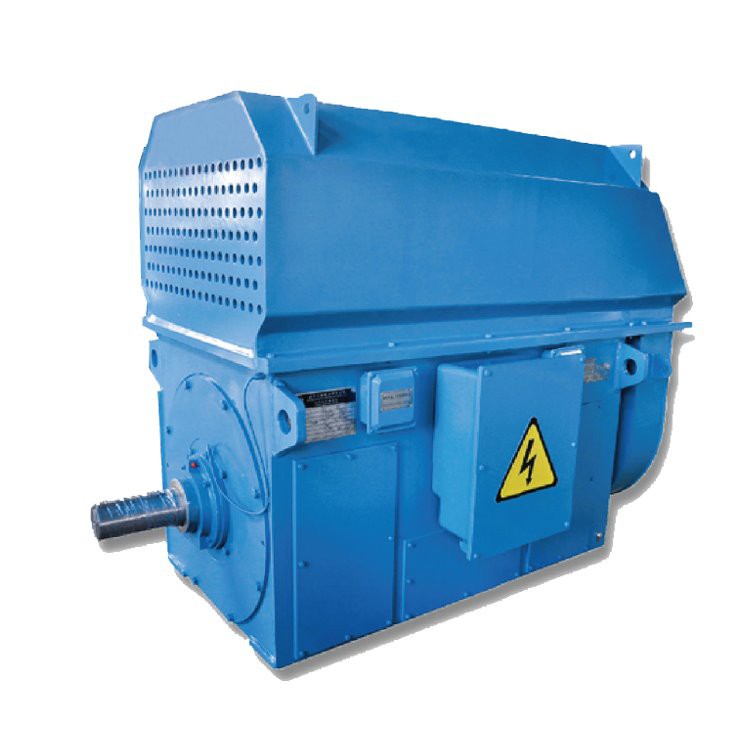
Develop a general maintenance and cleaning routine
Every company should have a cleaning routine in place if they don’t already. Simply keeping your motor clean can significantly improve its performance and lifespan. Your motor should never have excessive grease, dust, or other debris on or in any of its parts. Dust is a common culprit for overheating because of poor air circulation. While cleaning up the motor, take the extra time to examine the rest of the motor. Ensure your couplings are tightened, the belt has the appropriate tension, and there’s no corrosion in sight.
Check the motor’s lubrication
Believe it or not, it’s absolutely possible to overlubricate a motor, which can lead to internal problems. However, your motor needs lubricant to operate at peak performance level. Each electric motor requires different amounts of lubricant. That said, we would suggest checking the manufacturer’s manual. The manufacturer can best provide the intervals and amounts of lubricant for their motor to operate at its best. Lubricating the motor too early or too late can result in premature wear and tear. Additionally, manufacturers typically recommend a specific lubricant that’s designed for their motor. It’s important to use the suggested lubricant; otherwise, you could risk voiding a manufacturer’s warranty.
Regularly inspect the bearings
The motor’s bearings experience some of the most wear and tear, so it’s only natural to expect them to cause issues from time to time. Much of the preventative measures you can take we’ve already discussed, such as general maintenance and keeping the motor clean. However, bearings can go bad for several other reasons. To avoid bearings wearing out earlier than they should, you first must assure the motor is aligned properly. Misalignment can significantly strain one or both of the bearings. Furthermore, improper lubrication can also cause your bearings to wear out sooner than they should. One common red flag that a bearing has gone bad is an overheating motor. Each motor has a different working temperature, so it’s important to read the manufacturer’s manual to find your motor’s recommended temperature. All that said, there is one factor to consider when inspecting your bearings and motor as a whole––and that’s vibration. In most cases, you merely need new bearings, which is normal as they’re essentially consumables since they wear out over time. However, to extend the life of your bearings, sometimes you need to change to a different type of bearing. Many of you probably have shielded bearings when you could be using open or sealed bearings. As always, it’s best to find out if the manufacturer of your motor suggests such bearings prior to installation.
Reduce or eliminate vibrations
Every motor is going to vibrate to some extent, but excessive vibration can cause serious damage––potentially permanently––to your electric motor. The moment you notice your motor is vibrating more than usual, you should turn off the motor and find the source of the vibration. The source is usually a mechanical issue such as misalignment, a worn-out bearing, or belt tension that is too high. You could remove the belt and then do a test run to see if the motor is still vibrating. On the other hand, the cause of the problem could be your power source, which is a more serious concern. The bottom line is, in order to avoid excessive vibrations, you need to ensure proper alignment and that the bearings are in good condition.
Inspect the rotor and stator
Some call the rotor and stator “the heart of your motor,” and rightfully so. The rotor and stator are the essential components to the motor; if you take one of them away, you won’t have an operating motor. You’ll want to measure any gaps around these components and measure the diametrical clearance. The diametrical clearance measures free movement in the inner and outer race mounts. Your clearance can vary depending on your motor and the bearings.
Record your findings
You can’t monitor the longevity and wear and tear of your motors if you’re not recording the information. Every time you inspect the motors, replace bearings, adjust the belt tension, and so on, you should take note of it. In addition, every time you add lubricant to the motor or bearings, you should also notate that. That way you’ll be able to look back and see when you last made adjustments, replaced bearings, and added lubricant. By keeping track of your general maintenance and cleaning schedules, you can hold yourself and your crew accountable. Furthermore, you can better anticipate upcoming expenses and maintenance and plan accordingly.
Certifications


Has a mature technology team, business team and operation team, for foreign clients to provide optimal solutions of complete sets of mechanical & electrical products and services (All kinds of pump, motor, control system, compressor, oil field equipment, well head, pipes, casing & accessories, tubing, fishing tools, etc.)
FAQ
As one of the leading motor suppliers in China, we warmly welcome you to buy bulk high-grade motor made in China here from our factory. All customized products are with high quality and competitive price.
SM Series Axial Split Double Suction Pump, DSM Series Double Stage Radial Split Pump, SPP Mixed Flow Pump